· Updated · Lina Chen · Guides · 6 min read
How to Choose a Car Emblem Manufacturer & Supplier (B2B Guide)
Compare car emblem manufacturers and suppliers for wholesale and OEM: factory capability, in-stock reorder, MOQ, sampling, licensed artwork, and export QC.
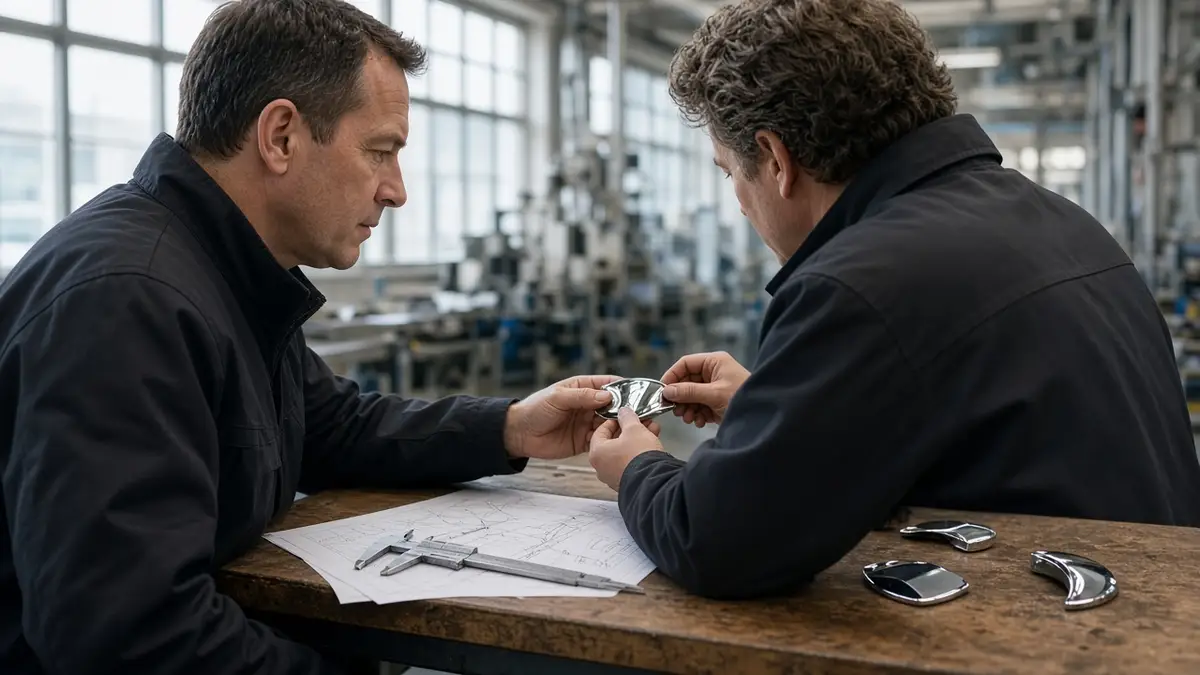
Wholesale emblem programs fail when buyers treat factories like retail shops. A trading desk can quote a low unit price and still deliver the wrong base metal, the wrong adhesive, or a finish that cannot be repeated on reorder. Use this checklist before you share artwork or wire a deposit.
Whether you need a first OEM tooling run or a repeat car emblem wholesale container, the evaluation steps for a car emblem manufacturer or car emblem supplier are the same.
Key takeaways
- Confirm the supplier owns the plating, molding, and QC process instead of reselling through a trading desk.
- Get MOQ, mockup, sample, and bulk lead times in writing before sending a deposit.
- Only work with manufacturers that require licensed artwork for third-party marks.
- Compare quotes on the same base material, finish, packing, and Incoterms — a 30% gap often means a different spec, not the same badge cheaper.
Wholesale catalog or custom OEM: which do you need?
| Path | When it fits | Where to start |
|---|---|---|
| Wholesale reorder | You need catalog SKUs, replenishment, or a repeat PO against an approved sample | All products, browse by brand |
| Custom OEM | New shape, finish, LED, or licensed artwork not in the catalog | Request a quote, category hubs below |
DXNTOPS runs both: published programs for importers who reorder in bulk, and factory-direct custom runs from MOQ 100 pcs with mockup, sample, and export QC. See how we manufacture emblems and about our Guangzhou factory.
Confirm they manufacture, not only trade
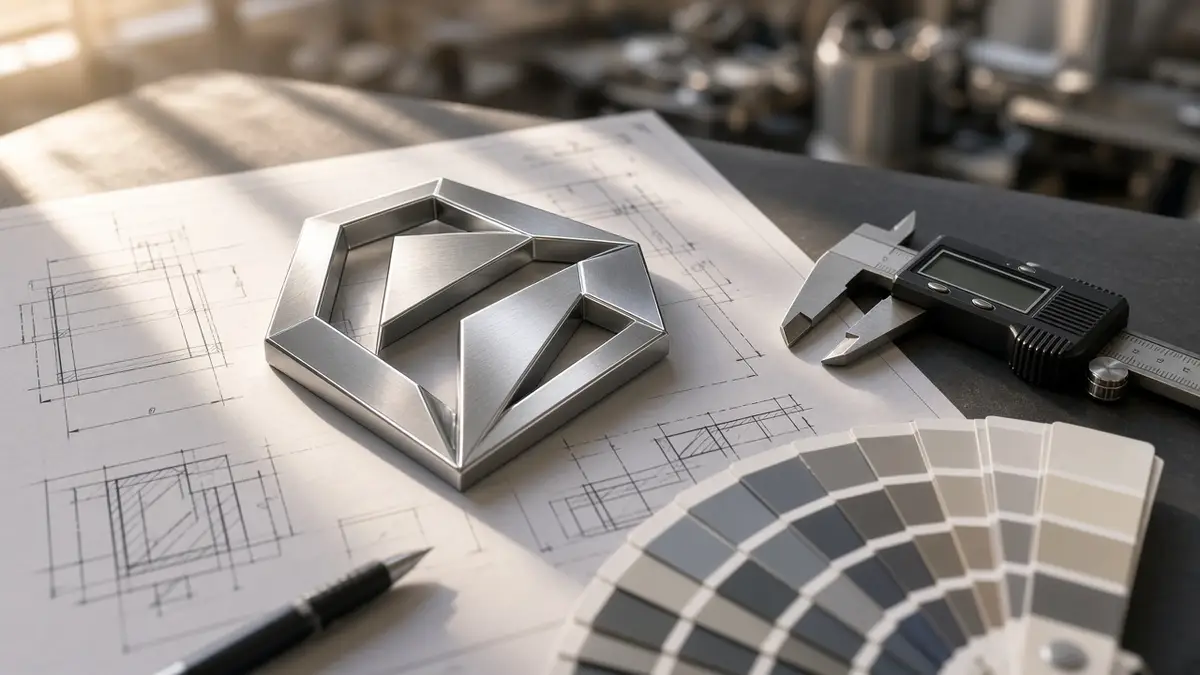
Ask who owns the plating line, molding, and QC. A Guangzhou factory should describe die casting, injection molding, and chrome plating in plain language — see how we manufacture emblems. Trading desks often cannot lock finish, adhesive, or repeat-order color because they subcontract without controlling the bath chemistry or tooling wear.
Request process photos and a recent export packing example. If every image is a stock catalog, keep looking. A real plant can show racks, plating tanks, or molding machines tied to a date. Ask whether engineering reviews artwork in-house or forwards it to an unnamed partner.
Match the product to the right program
| Need | Start here |
|---|---|
| Grille, hood, trunk badges | Automotive emblems |
| Bright or satin chrome | Chrome badges |
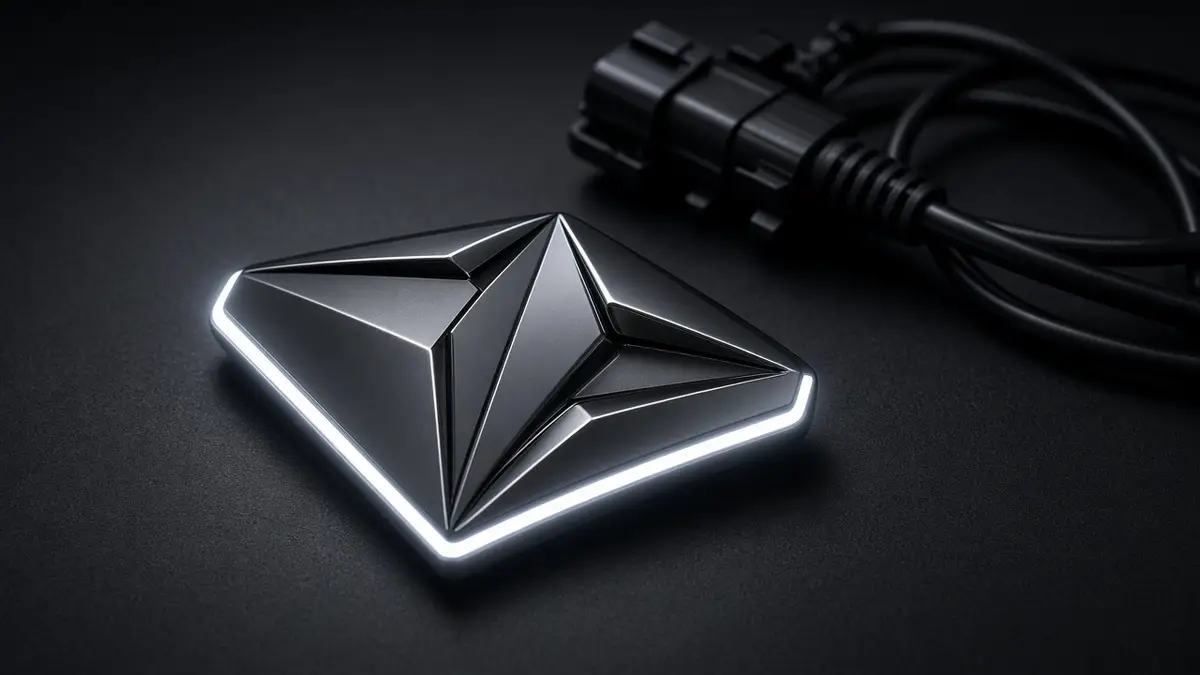
| Lighted grille marks | Illuminated emblems |
| Bespoke shape or finish | Request a quote |
Send licensed vector files (AI, EPS, or PDF). Read artwork file requirements before the first email so the mockup team is not waiting on a redraw.
Lock MOQ, mockup, and sampling in writing
Agree mockup turnaround, sample cost, and how many revisions are included. A serious factory documents dimensions and adhesive type before bulk tooling. Typical DXNTOPS programs start at 100 pieces, with a free mockup in about 24 hours and samples in 5–7 days after artwork approval. Details: MOQ and sampling.
Put these items in the quotation or proforma, not only in chat:
- Unit price at the quoted quantity and the next price break.
- Sample fee and whether it is credited against the bulk order.
- Tooling ownership (customer-owned vs factory-owned) and what happens if you move production.
- Lead time from sample approval to ex-factory date.
Protect the brand
OEM programs should use your licensed artwork. Avoid suppliers whose homepage is built on unauthorized third-party automotive logos — that risk follows your channel. If you need an NDA, say so in the first message.
Ask how the factory handles conflicting requests (two clients wanting similar shapes). Ethical plants decline copycat programs. Your legal team may also want confirmation that subcontractors see only what they need to produce your SKU.
Compare quotes on the same basis
Ask each factory for the same finish, quantity, destination country, and Incoterms. Unit price without plating spec or packing is not comparable. The ICC Incoterms rules define who pays freight and insurance; align on FOB, CIF, or DDP before you compare landed cost.
Include in every RFQ:
- Vector artwork and target size in millimeters.
- Exterior vs interior use (UV, car wash, temperature).
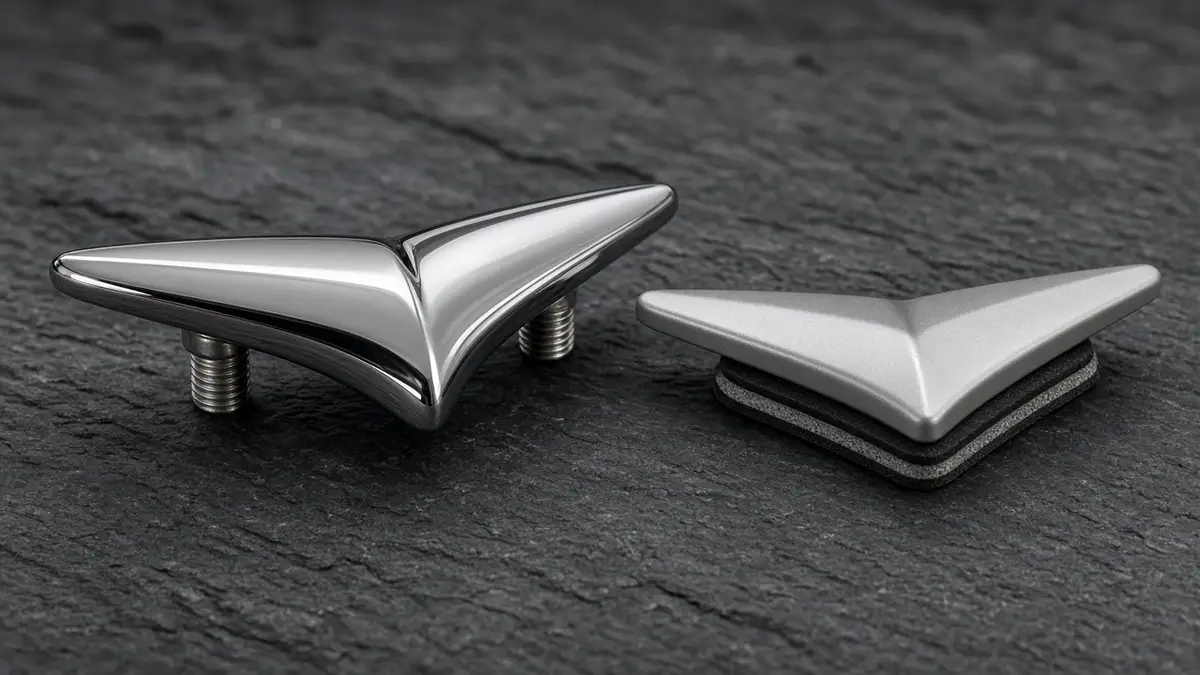
- Mounting: studs, tape, clips, or screw holes.
- Finish reference: bright chrome, satin, paint fill, or LED — see chrome plating notes.
- First bulk quantity and expected reorder cadence.
Request a quote with logo, quantity, finish, and destination so engineering can reply with MOQ, lead time, and next steps.
Evaluate engineering, not only sales speed
Fast replies matter, but ask one technical question per round: wall thickness on a 3D badge, minimum line width for paint fill, or how they seal a stud on an exterior grille piece. Answers should reference process, not adjectives.
If you are comparing OEM vs aftermarket builds, state that in the RFQ. Aftermarket-style tooling may be fine for catalog retail; it is a poor fit when a brand owner needs grille fit and outdoor durability.
QC, packing, and export documentation
Wholesale buyers care about repeatability and carton integrity. Ask:
- Whether bulk runs are checked against the approved sample (dimensions, color, adhesion).
- How defects are sorted (AQL sampling vs 100% visual on critical SKUs).
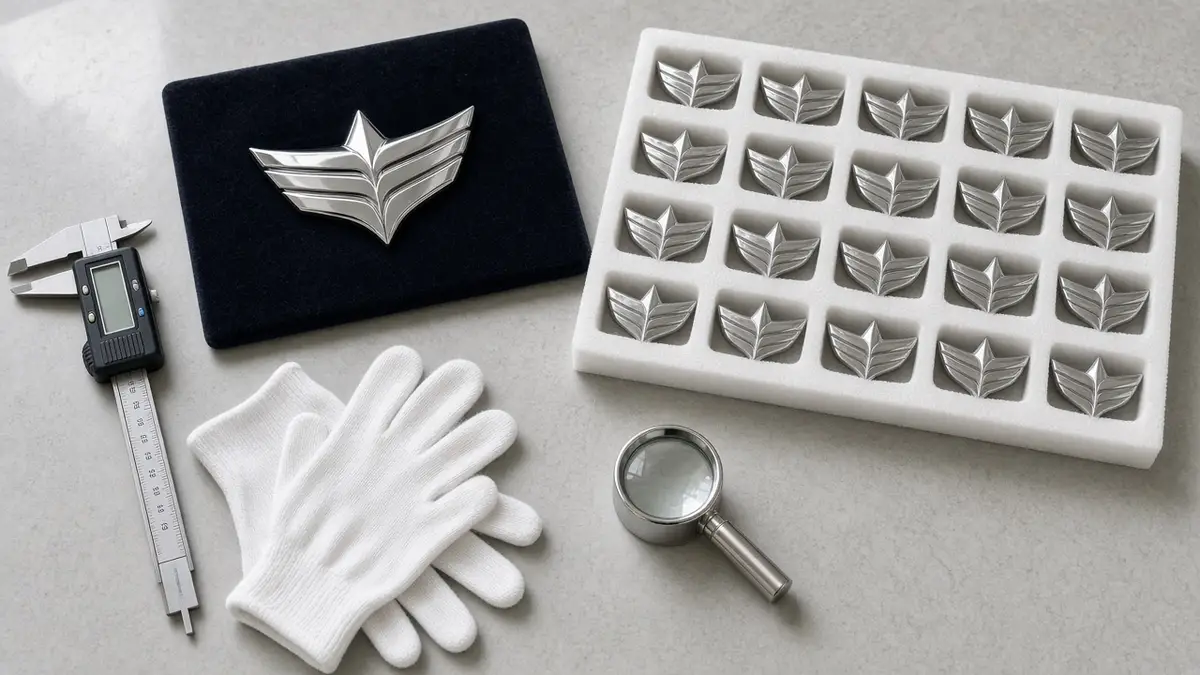
- Default export carton size, foam, and labeling for your market.
- Whether they provide packing lists, commercial invoices, and HS codes you can forward to your broker.
A factory that cannot describe QC in one paragraph is unlikely to defend a claim when a container arrives with mixed finishes.
Communication and project management
For cross-border programs, confirm:
- Primary contact in English (or your language) on the same thread as engineering.
- How change orders are logged after sample approval.
- Photo or video approval before cartons close.
Miscommunication after sample sign-off is the most common source of “it looked fine in the PDF” disputes. Tie approvals to dated mockups and physical samples, not verbal promises.
Red flags worth walking away from
- Refusal to show a company name and address that matches the export documents.
- Quotes far below peers with no explanation of base metal or plating steps.
- Pressure to pay 100% before any mockup when you have never worked together.
- Willingness to reproduce famous automotive logos “for export only.”
- No clear sample stage before full tooling payment.
None of these guarantee a bad factory by themselves, but stacked together they predict painful reorders.
When a visit helps (and when it does not)
A half-day walkthrough in Guangzhou can confirm capacity and cleanliness. It is not mandatory for every program — especially when you start with a paid sample and a small first bulk. If you visit, watch whether QC records exist on the floor and whether plating and assembly are in the same building you were quoted.
Putting the short list together
A practical supplier scorecard for emblem work:
| Topic | Question to answer |
|---|---|
| Capability | Casting, molding, plating, assembly — who does each step? |
| Program fit | OEM repeat SKU vs one-off aftermarket catalog? |
| Commercial | MOQ, sample fee, tooling, Incoterms, payment terms |
| Technical | Artwork rules, finish spec, mounting, environmental use |
| Compliance | Licensed art only, export docs, carton standards |
Start with two or three factories that pass the manufacture-vs-trade test, run the same RFQ, and approve samples only from the one that matches the signed specification.
When your team is aligned internally, request a quote and reference this guide — we will respond with MOQ, mockup timing, and the questions we still need answered before sampling.
Next step
MOQ from 100 pcs · free mockup in about 24 hours
Send licensed artwork, quantity, and destination for a factory reply.
Request a Quote- OEM
- sourcing